
How Cataracts Develop Over Time
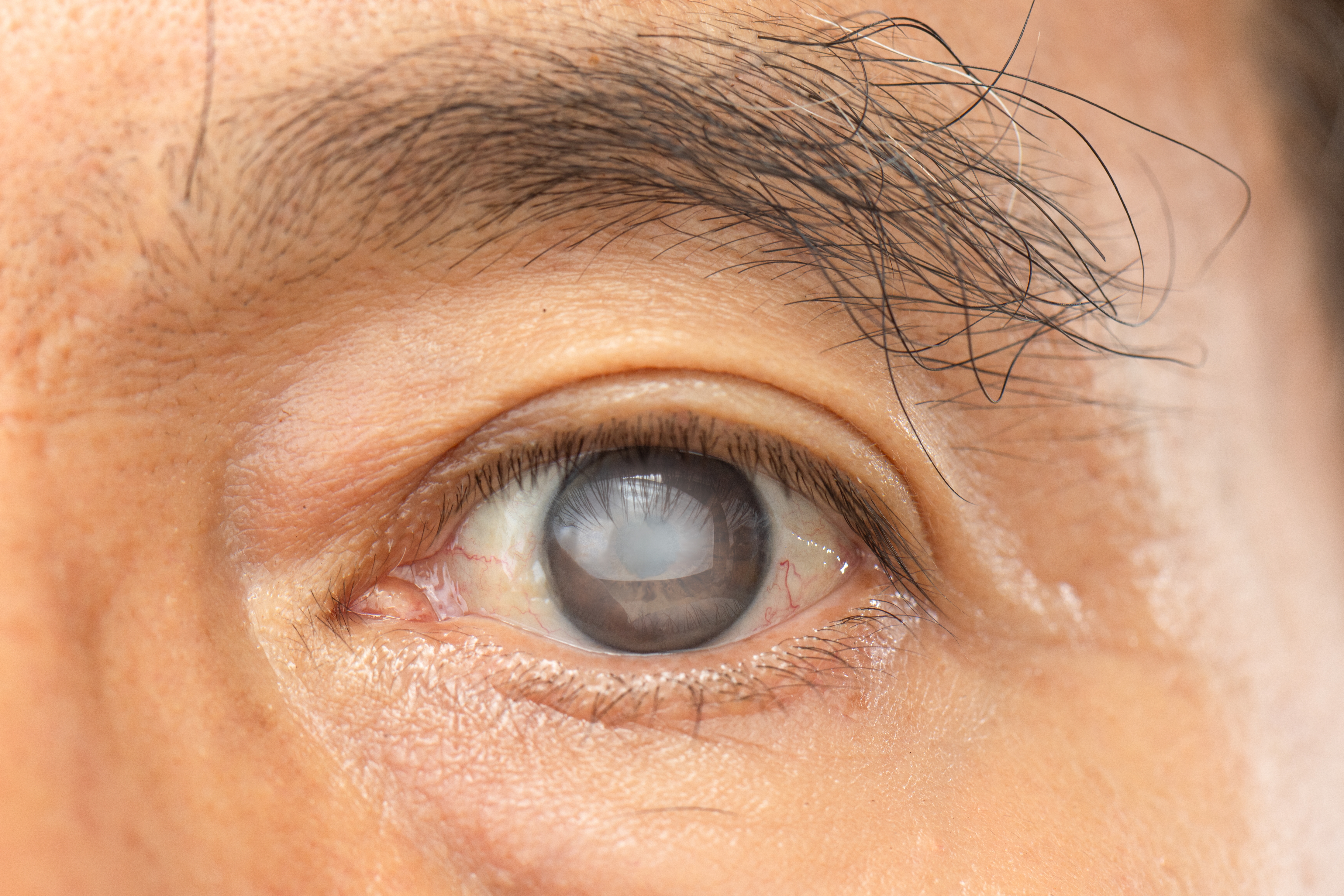
Cataracts are one of the most common age-related vision changes, but they usually do not happen all at once. In many cases, cataracts develop slowly over several years, causing gradual changes in clarity, glare, color perception, and night vision.
At Two Rivers Eye Care in New Braunfels, we help patients understand how cataracts progress and when vision changes should be evaluated. Regular comprehensive eye exams are an important part of monitoring cataracts and protecting long-term eye health.
What Is A Cataract?
A cataract forms when the natural lens inside the eye becomes cloudy. The lens helps focus light clearly onto the retina, which allows you to see sharp images. When the lens becomes cloudy, light scatters as it enters the eye, making vision appear blurry, dim, or hazy.
Cataracts are most often linked to aging, but they can also be influenced by genetics, UV exposure, diabetes, eye injuries, certain medications, and smoking. Since cataracts can affect each person differently, an eye exam is the best way to determine how much they are impacting your vision.
Early Cataract Changes
In the early stages, cataracts may not cause obvious symptoms. You may still see well enough to read, drive, and complete daily tasks. Some people only notice mild blur, extra glare, or the need for brighter light when reading.
During this stage, your eye doctor may monitor the cataract and update your glasses prescription if needed. For many New Braunfels patients, early cataract changes can be managed with better lighting, anti-glare lenses, sunglasses, and regular exams.
Common Cataract Symptoms
As cataracts progress, symptoms may become more noticeable. You may find that your vision is not as crisp as it used to be, even with updated glasses. Cataracts can also make certain lighting conditions more difficult.
Common signs of cataracts include:
- Cloudy, blurry, or dim vision
- Increased glare from headlights or sunlight
- Trouble seeing clearly at night
- Colors appearing faded or yellowed
- Frequent changes in glasses prescription
- Halos around lights
- Needing brighter light for reading
- Double vision in one eye
If these symptoms begin to interfere with driving, reading, work, or daily comfort, it is time to schedule a comprehensive eye exam.
How Cataracts Progress Over Time
Cataracts usually worsen gradually. As the lens becomes cloudier, vision may become more blurred and glare may become harder to manage. Night driving can become especially challenging because headlights may seem brighter or more scattered.
Some cataracts affect the center of the lens, while others affect the edges or back surface. The type and location of the cataract can influence which symptoms appear first. That is why two people with cataracts may experience very different vision changes.
At Two Rivers Eye Care, we monitor cataracts over time to determine whether they are stable, slowly progressing, or beginning to affect your quality of life.
When Cataracts May Need Surgery
Cataracts do not always require surgery right away. In many cases, they are monitored until they begin interfering with daily activities. Cataract surgery may be recommended when cloudy vision makes it difficult to drive safely, read comfortably, recognize faces, or complete regular tasks.
Your optometrist can evaluate your vision and eye health, then refer you for cataract surgery when the timing is appropriate. After surgery, ongoing eye care remains important to monitor healing and overall eye health.
Why Routine Eye Exams Matter
Because cataracts can develop slowly, many people do not realize how much their vision has changed until they have an eye exam. Regular exams help detect cataracts early, track progression, and rule out other eye conditions that can cause similar symptoms, such as glaucoma, macular degeneration, or diabetic eye disease.
If your vision seems cloudy, dim, or more sensitive to glare, schedule a cataract evaluation with Two Rivers Eye Care in New Braunfels, TX at 2021 W State Hwy 46 STE 103, New Braunfels, TX 78132, or call 830-620-6005.
Quick Links
Helpful Articles
article_category: products
article_category: psychiatry
article_category: faqs
article_category: cats
article_category: general
article_category: services
article_category: technology
article_category: dogs
article_category: restorative
article_category: vision therapy
article_category: contact lenses
article_category: health
article_category: conditions
article_category: eye surgery co-management
article_category: exotic
article_category: cosmetic
article_category: surgical procedures
article_category: aesthetics
article_category: preventative
article_category: ocular disease management
article_category: eyeglasses
article_category: eye health
article_category: large animal
[]
article_category: psychiatry
article_category: faqs
article_category: cats
article_category: general
article_category: services
article_category: technology
article_category: dogs
article_category: restorative
article_category: vision therapy
article_category: contact lenses
article_category: health
article_category: conditions
article_category: eye surgery co-management
article_category: exotic
article_category: cosmetic
article_category: surgical procedures
article_category: aesthetics
article_category: preventative
article_category: ocular disease management
article_category: eyeglasses
article_category: eye health
article_category: large animal
[]
Flowbite is an open-source library of interactive components built on top of Tailwind CSS including buttons, dropdowns, modals, navbars, and more.
Check out this guide to learn how to get started and start developing websites even faster with components on top of Tailwind CSS.
All Eye Care Services
Find personalized eye care excellence with our comprehensive services. From eye exams to advanced diagnostics, trust us for all your vision needs.

Keep In Touch
For non-urgent questions or to learn more about our services, contact us today!
© 2026 Two Rivers Eye Care. All rights Reserved - Accessibility Statement - Privacy Policy - Sitemap
Managed and Designed by 