Back-to-School Screen Demands: Spotting the Warning Signs of Progressive Myopia in New Braunfels Kids

As students return to school, increased screen time, homework, and reading can place additional demands on their eyes. For children in New Braunfels, these activities may also highlight early signs of progressive myopia, a condition that causes distance vision to become increasingly blurry.
At Two Rivers Eye Care, we encourage parents to recognize changes in their child's vision before they begin affecting classroom performance and daily activities. Early detection and myopia management can help protect their long-term eye health.
How Screen Time Can Affect Myopia Progression
Myopia, commonly called nearsightedness, occurs when light focuses in front of the retina rather than directly on it, often because the eye has grown too long. Children with myopia can typically see nearby objects clearly but struggle with distant objects.
Extended periods of close-up activities, including reading, tablet use, and computer work, are associated with an increased risk of myopia. Limited outdoor time may also contribute. As children grow, their nearsightedness can worsen, making regular pediatric eye exams especially important.
5 Warning Signs of Progressive Myopia in Children
Parents should watch for subtle changes in their child's behavior, particularly during the school year. Common warning signs include:
• Squinting to see distant objects: Children may squint when looking at classroom boards, signs, or objects across a room.
• Sitting closer to screens: Moving closer to the television or classroom board may indicate difficulty seeing clearly from a distance.
• Holding reading materials unusually close: Children with myopia may prefer keeping books, tablets, or other materials close to their faces.
• Difficulty seeing during activities: Trouble following a ball during sports or recognizing objects at a distance can indicate worsening nearsightedness.
• Frequent prescription changes: Needing stronger glasses regularly may suggest progressive myopia.
These symptoms do not automatically mean a child has progressive myopia, but they warrant a comprehensive eye exam.
How Parents Can Support Healthy Vision Habits
Although schoolwork often requires extended periods of near focus, simple daily habits can support children's visual comfort and eye health. We recommend encouraging regular screen breaks using the 20-20-20 rule: Every 20 minutes, look at something 20 feet away for at least 20 seconds. Children should also spend more time outdoors, ideally around 90 minutes or more each day, while maintaining a comfortable viewing distance from books and digital devices.
Myopia Management Options at Two Rivers Eye Care
When myopia progresses, updating a glasses prescription may not be enough to address long-term concerns. At Two Rivers Eye Care, we offer personalized myopia management options designed to help slow the progression of nearsightedness in children.
Depending on your child's needs, treatment options may include MiSight 1 day contact lenses, orthokeratology (Ortho-K), low-dose atropine eye drops, or Essilor Stellest eyeglass lenses. Our team evaluates your child's vision, monitors prescription changes, and recommends appropriate management strategies based on their individual needs.
If you've noticed signs of worsening nearsightedness, schedule your child's comprehensive eye exam with Two Rivers Eye Care to learn more about our pediatric eye care and myopia management options. Visit our office in New Braunfels, TX, or call (830) 620-6005 to book an appointment today.
Quick Links
Helpful Articles
article_category: restorative
article_category: vision therapy
article_category: contact lenses
article_category: health
article_category: conditions
article_category: eye surgery co-management
article_category: exotic
article_category: cosmetic
article_category: products
article_category: psychiatry
article_category: faqs
article_category: cats
article_category: general
article_category: services
article_category: technology
article_category: dogs
article_category: surgical procedures
article_category: aesthetics
article_category: preventative
article_category: ocular disease management
article_category: eyeglasses
article_category: eye health
article_category: large animal
[]
Flowbite is an open-source library of interactive components built on top of Tailwind CSS including buttons, dropdowns, modals, navbars, and more.
Check out this guide to learn how to get started and start developing websites even faster with components on top of Tailwind CSS.
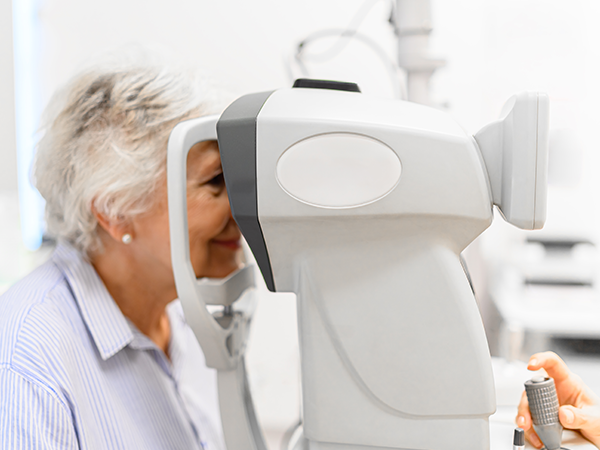
All Eye Care Services
Find personalized eye care excellence with our comprehensive services. From eye exams to advanced diagnostics, trust us for all your vision needs.
Keep In Touch
For non-urgent questions or to learn more about our services, contact us today!
© 2026 Two Rivers Eye Care. All rights Reserved - Accessibility Statement - Privacy Policy - Sitemap
Managed and Designed by 