
Autumn Allergies vs. Severe Dry Eye: How to Tell the Difference
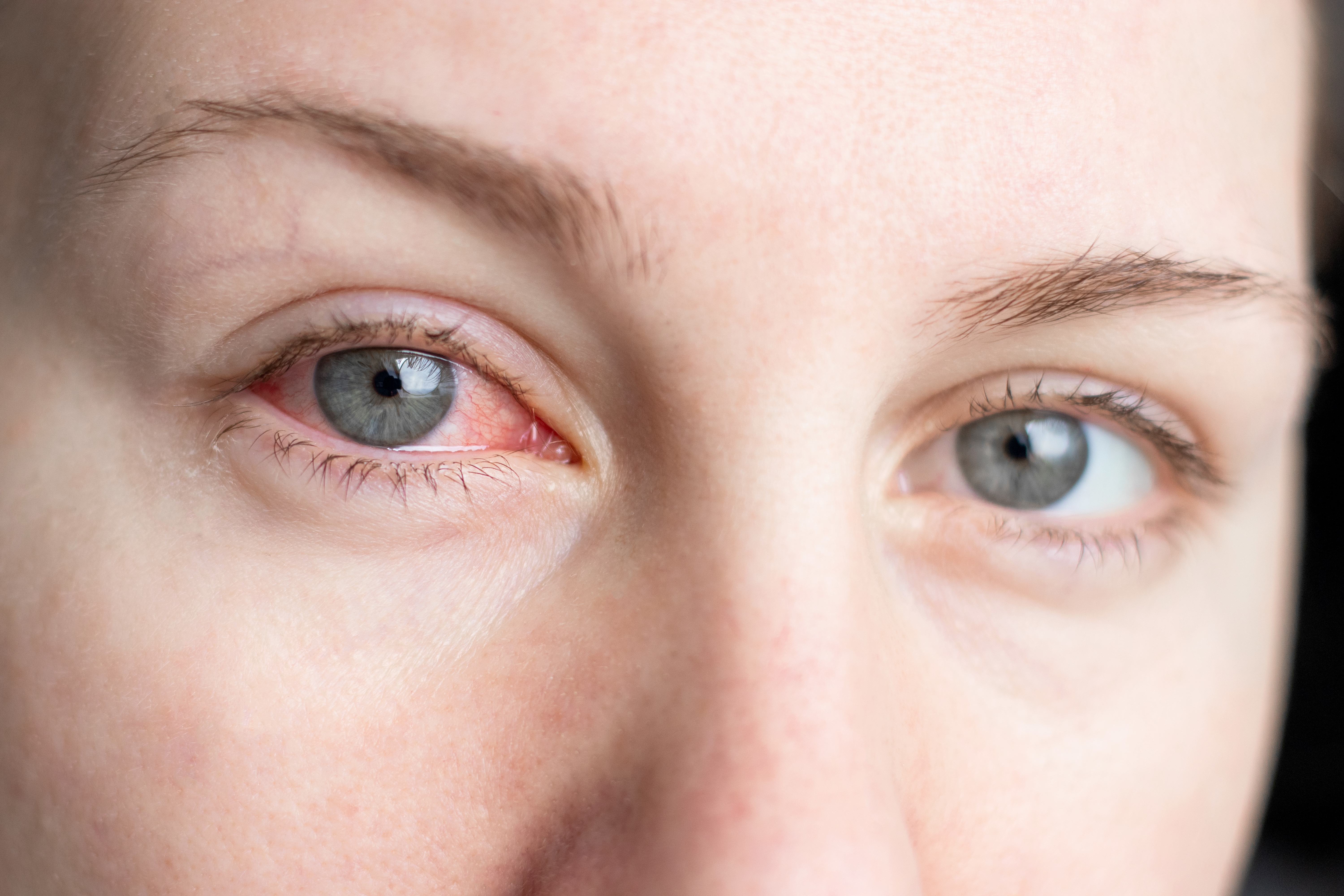
Fall in New Braunfels can bring changing temperatures, wind, pollen, and other environmental irritants that leave your eyes red, watery, or uncomfortable. While these symptoms are often blamed on autumn allergies, they can also point to dry eye disease. Because the two conditions can feel similar, knowing the differences can help you determine when it is time for an eye exam.
Why Autumn Allergies Affect Your Eyes
Seasonal eye allergies occur when the immune system reacts to allergens such as pollen, mold, or other airborne particles. When these allergens contact the eyes, they can trigger inflammation and irritation.
Common signs of eye allergies include:
• Intense itching
• Red or swollen eyes
• Excessive tearing
• Puffy eyelids
• Symptoms that worsen after being outdoors
• Sneezing or nasal congestion along with eye irritation
Itching is often one of the strongest clues that allergies are involved. Many patients notice their symptoms flare during times of increased seasonal allergens or after spending extended time outdoors.
How Severe Dry Eye Feels Different
Dry eye develops when your eyes do not produce enough tears or when the tears are not able to properly lubricate the eye's surface. Symptoms can become more noticeable during autumn when wind, air conditioning, heaters, and lower humidity contribute to tear evaporation.
Dry eye symptoms often include burning, stinging, a gritty sensation, fluctuating blurry vision, eye fatigue, and sensitivity to light. Dry eye can also cause excessive watering because irritated eyes may respond by producing reflex tears. Unlike temporary seasonal irritation, chronic dry eye symptoms may continue throughout the day or return regularly regardless of allergen exposure.
Can You Have Allergies and Dry Eye at the Same Time?
Yes. Eye allergies and dry eye disease can occur together, which sometimes makes symptoms harder to identify. Allergic inflammation can disrupt the tear film, while some allergy medications may contribute to additional dryness.
This is why treating persistent symptoms based on assumptions alone may not provide lasting relief. An eye exam can help determine whether allergies, dry eye, or a combination of both is affecting your comfort.
When Eye Irritation Needs Professional Attention
If your eyes remain uncomfortable despite avoiding allergens or using basic lubricating drops, it may be time for a professional dry eye evaluation in New Braunfels. Persistent burning, blurry vision, light sensitivity, redness, or a constant gritty feeling should not simply be considered normal seasonal irritation.
At Two Rivers Eye Care, we can evaluate your eye health and tear film to determine what is causing your symptoms. Dry eye treatment can then be tailored to the underlying cause rather than simply masking ongoing discomfort.
Find Relief From Autumn Eye Irritation in New Braunfels
Not sure whether your autumn symptoms are allergies or severe dry eye? Schedule an eye exam with Two Rivers Eye Care to identify the cause and find the right treatment for lasting comfort. Contact our office in New Braunfels, TX, by calling (830) 620-6005 to book an appointment.
Quick Links
Helpful Articles
article_category: products
article_category: psychiatry
article_category: faqs
article_category: cats
article_category: general
article_category: services
article_category: technology
article_category: dogs
article_category: restorative
article_category: vision therapy
article_category: contact lenses
article_category: health
article_category: conditions
article_category: eye surgery co-management
article_category: exotic
article_category: cosmetic
article_category: surgical procedures
article_category: aesthetics
article_category: preventative
article_category: ocular disease management
article_category: eyeglasses
article_category: eye health
article_category: large animal
[]
article_category: psychiatry
article_category: faqs
article_category: cats
article_category: general
article_category: services
article_category: technology
article_category: dogs
article_category: restorative
article_category: vision therapy
article_category: contact lenses
article_category: health
article_category: conditions
article_category: eye surgery co-management
article_category: exotic
article_category: cosmetic
article_category: surgical procedures
article_category: aesthetics
article_category: preventative
article_category: ocular disease management
article_category: eyeglasses
article_category: eye health
article_category: large animal
[]
Flowbite is an open-source library of interactive components built on top of Tailwind CSS including buttons, dropdowns, modals, navbars, and more.
Check out this guide to learn how to get started and start developing websites even faster with components on top of Tailwind CSS.
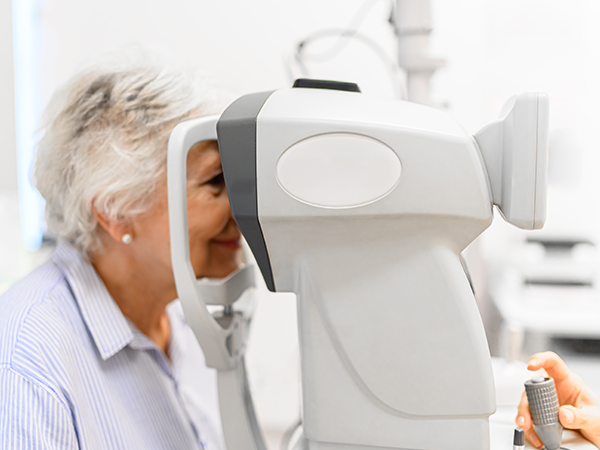
All Eye Care Services
Find personalized eye care excellence with our comprehensive services. From eye exams to advanced diagnostics, trust us for all your vision needs.
Keep In Touch
For non-urgent questions or to learn more about our services, contact us today!
© 2026 Two Rivers Eye Care. All rights Reserved - Accessibility Statement - Privacy Policy - Sitemap
Managed and Designed by 